







Chile Rights Groups Rally Against Impunity Measures
Human rights organizations and victims’ advocates marched in Santiago against possible pardons for dictatorship-era offenders and cuts to key human rights programs.
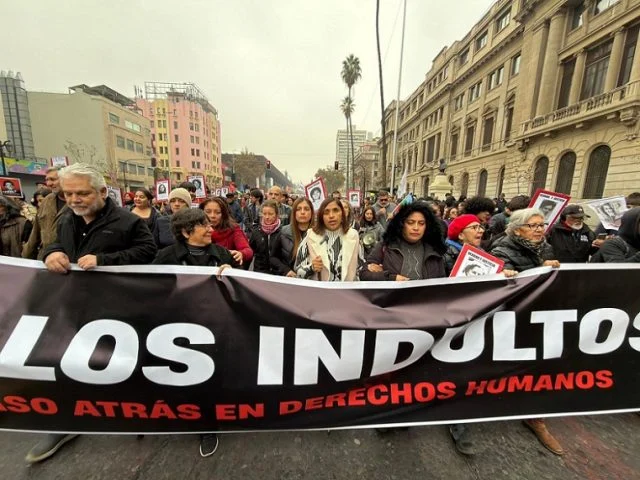
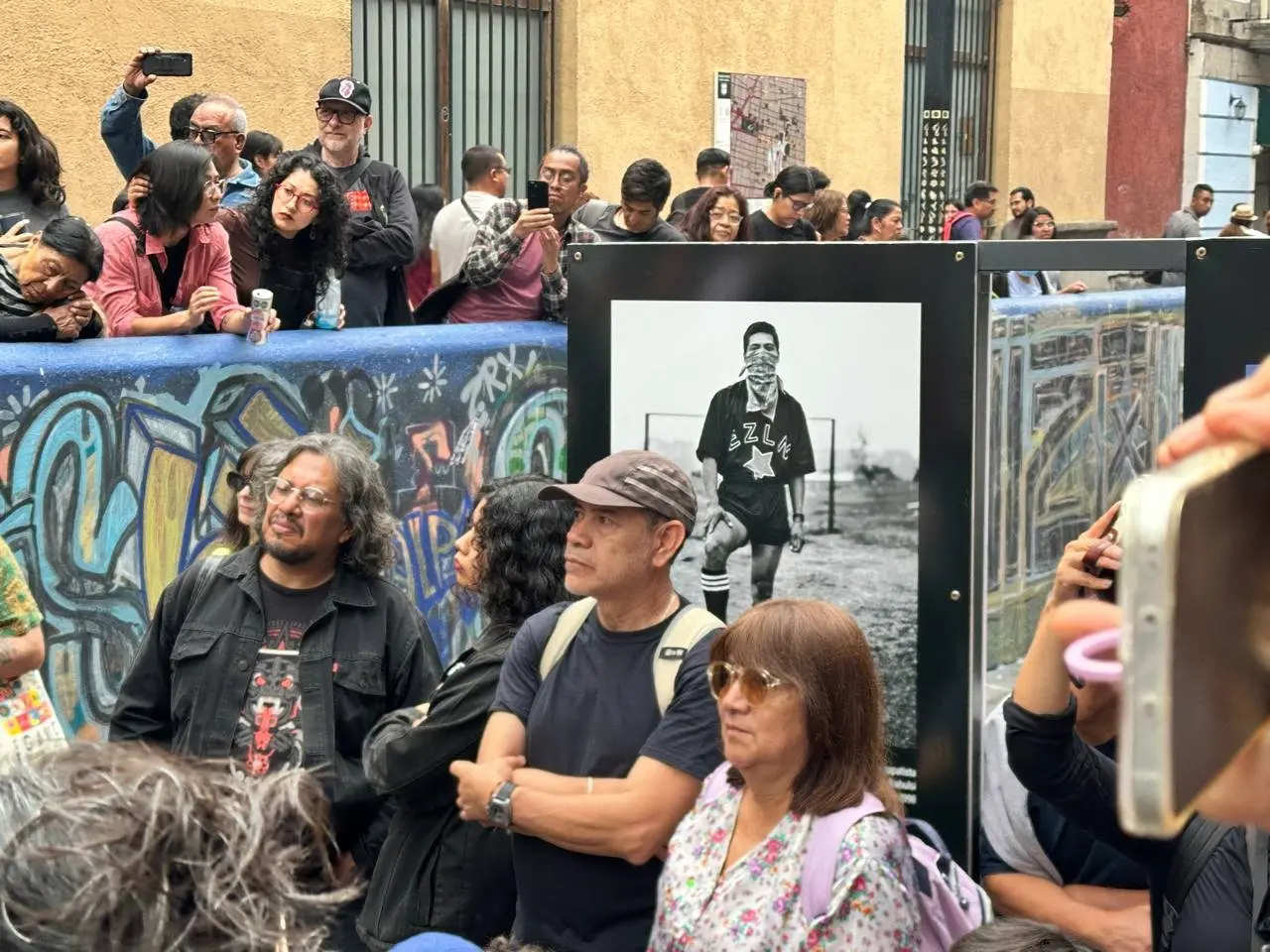
Demonstrators marched through Santiago demanding accountability for dictatorship-era crimes and opposing policies seen as weakening Chile’s human rights framework. Photo: elciudadano
June 7, 2026 Hour: 1:37 am
🔗 Comparte este artículo
Over 1,000 people marched in Santiago against proposed pardons for dictatorship-era offenders and cuts to human rights programs.
More than 1,000 people marched through central Santiago on Saturday to protest recent human rights policies promoted by the government of President José Antonio Kast, including a major budget reduction affecting state human rights programs and the possibility of granting pardons to individuals convicted of crimes against humanity.
RELATED: Chilean President Kast’s Budget Cuts Ignite Resistance
The demonstration, organized by the National Coordinator of Human Rights and Social Organizations, proceeded peacefully and concluded without incidents.
Participants marched from Plaza Baquedano to the presidential palace of La Moneda under the banner “Against Impunity,” expressing opposition to any move that could benefit perpetrators of crimes committed during Chile’s 1973–1990 civil-military dictatorship.
“We hope the president listens, but also listens to the victims of all those murderers whom they now want to release,” Senator Fabiola Campillai said during the rally.
Text Reads: 📌 Chile: March Against Pardons for Human Rights Violators.🔴 Social groups and victims mobilized in Santiago de Chile against the Government’s intentions to pardon nearly two dozen human rights violators, convicted of crimes against humanity. The protests, which denounce a transgenerational situation, will be repeated monthly.
Campillai, who lost her sight and sense of smell after being shot in the face by Chilean police during the 2019 social unrest, warned against the possibility of presidential pardons for those convicted of dictatorship-era human rights violations.
“I reiterate: social peace is not achieved by granting a blanket pardon to those who murdered, tortured and disappeared our people, our Chilean men and women,” she said.
The protest followed recent remarks by Justice and Human Rights Minister Fernando Rabat, who declined to rule out pardons for individuals convicted of crimes against humanity. Referring to the issue, Rabat stated that “the circumstances of the case will allow that question to be answered.”
Text Reads: This morning, Human Rights Organizations and students held a march in rejection of the pardons for genocidaires. Alicia Lira speaks, president of the group of Relatives of Executed Political Prisoners (@AFEPSantiago)
Rabat, who participated in the legal defense of former dictator Augusto Pinochet in proceedings related to Operation Colombo and the Riggs Case—investigations linked to the killing of 119 people and the embezzlement of public funds—said the government has received more than 40 requests for presidential pardons. Some of those petitions are connected to crimes against humanity, the 2019 protests and common criminal offenses.
Support for such measures has also been signaled previously by Kast. During an earlier presidential campaign, he stated that he was open to pardoning former members of Pinochet’s political police, including Miguel Krassnoff, who has been sentenced to more than 1,000 years in prison for kidnappings, torture, murders and the forced disappearance of political opponents during the dictatorship.
Since taking office on March 11, Kast’s administration has reduced the budget of the Human Rights Program Unit within the Ministry of Justice by nearly US$1 million. The agency plays a central role in the judicial prosecution of crimes against humanity and houses the national plan to search for people who were forcibly disappeared during the dictatorship.
In Chile, the presidential pardon is a constitutional power that allows authorities to forgive, reduce or replace the sentence of an individual convicted under a final judicial ruling.
Source: Agencies